Haryana
 1
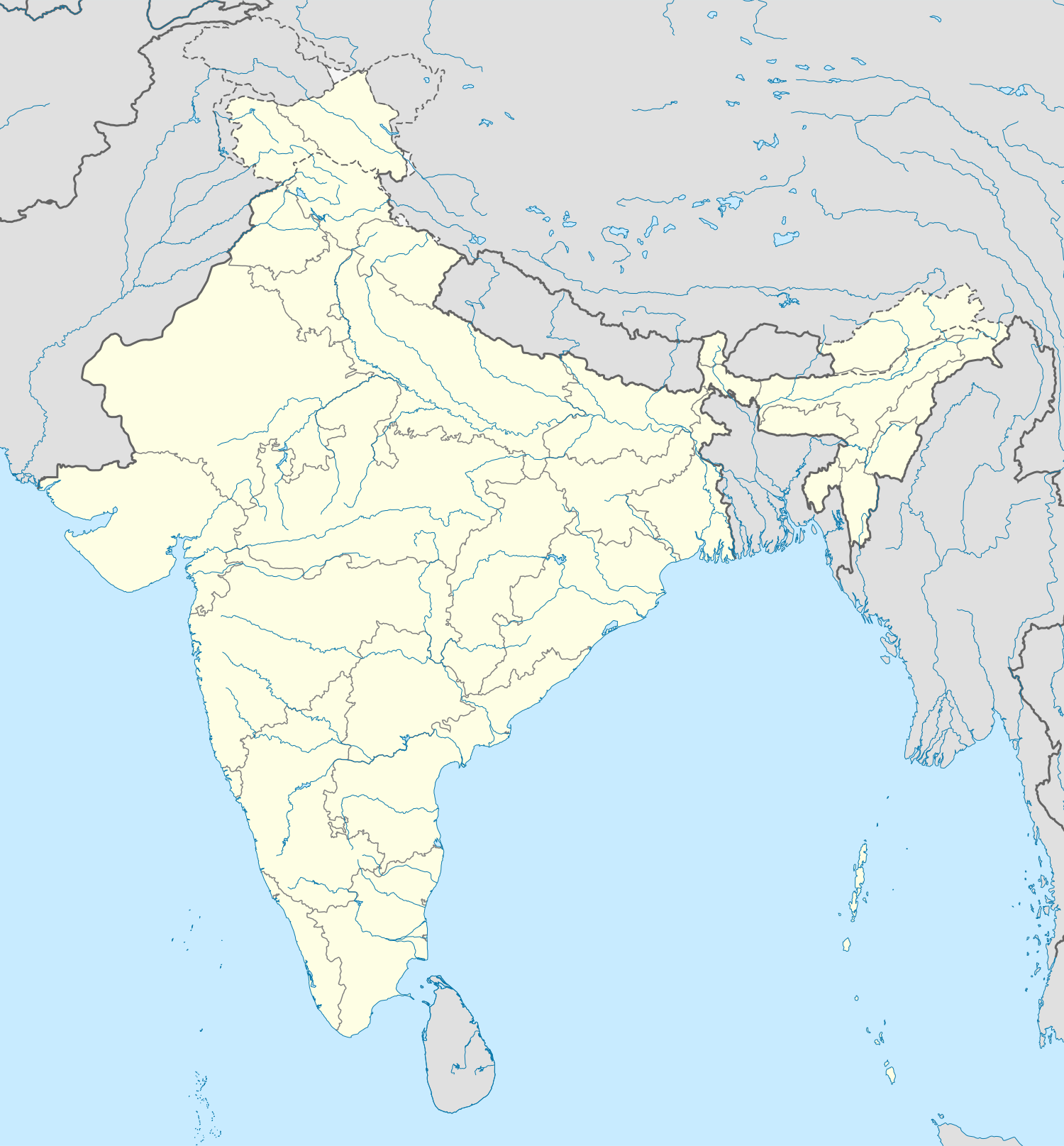
1- 1. Haryana
12345- 1. Punjab
- 2. Himachal Pradesh
- 3. Rajasthan
- 4. Uttar Pradesh
- 5. Haryana
123- 1. Gurugram
- 2. Kurukshetra
- 3. Haryana
 123
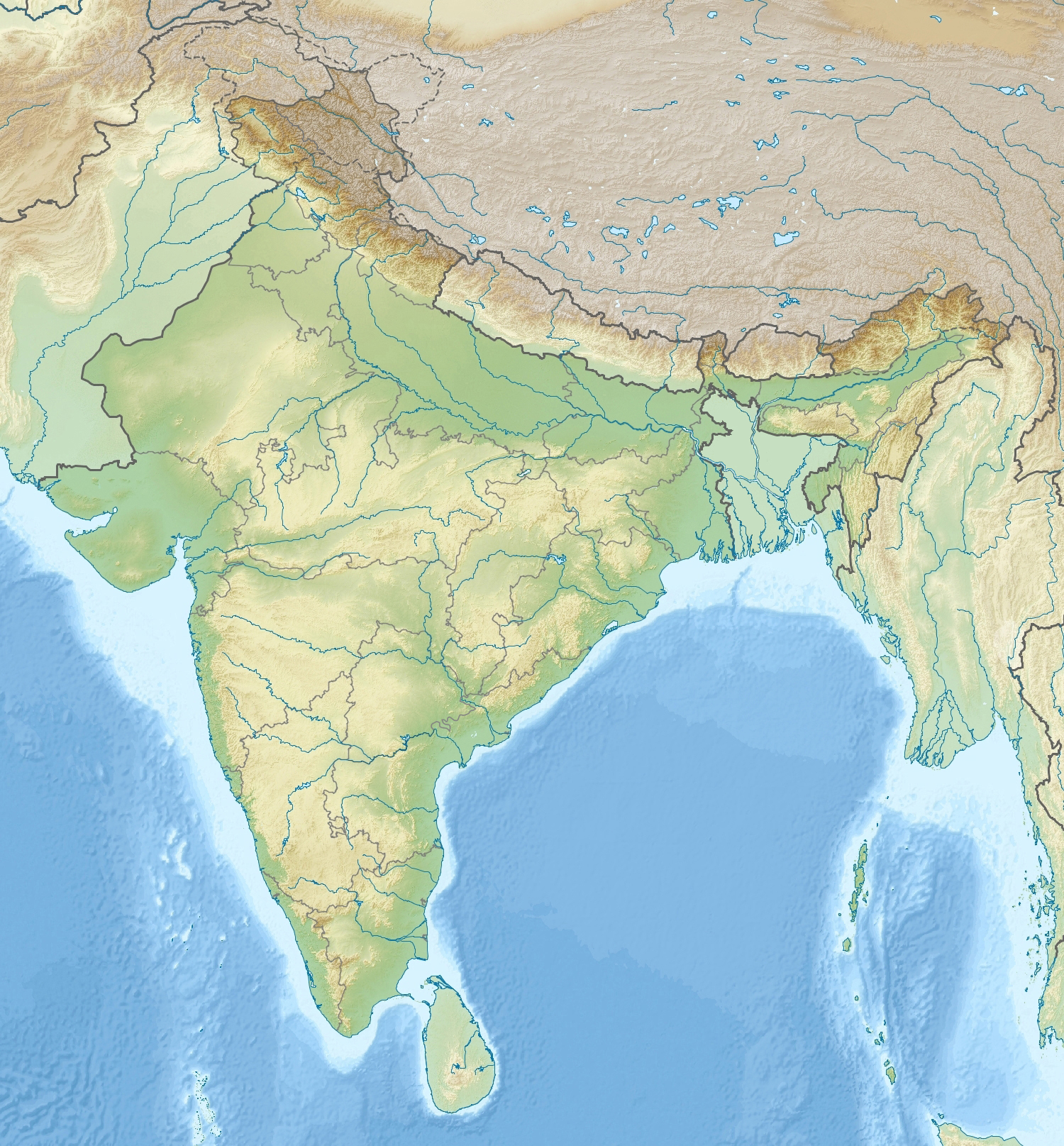
123- 1. Yamuna
- 2. Aravalli Hills
- 3. Haryana
123- 1. Sultanpur NP
- 2. Kalesar NP
- 3. Haryana
📌 Why in News?
On 15 January 2025, the Supreme Court in Vihaan Kumar v. State of Haryana reaffirmed that an arrested person must be directly and meaningfully told the specific grounds of arrest, rejecting the practice of merely informing relatives. The judgment, cited in the 14 August 2026 Vision IAS/Insights IAS roundup, spotlights ongoing concerns about routine and arbitrary police arrests and underscores the need for stricter compliance with Article 22(1) and related statutory provisions.
Syllabus & Relevance
Prelims – Polity: Fundamental Rights – Article 22 (Arrest)
GS‑2 – Criminal Justice System: Arrest procedures, D.K.
Basu guidelines
Static link – Golden Triangle (Arts 14, 19, 21) & Article 22
Why it matters for India
The safeguards ensure that citizens’ personal liberty is not eroded by unchecked police power, curbing routine arrests for minor offences and reinforcing the rule of law—key for police‑reform agendas and for protecting vulnerable groups across India’s states.