Andhra Pradesh
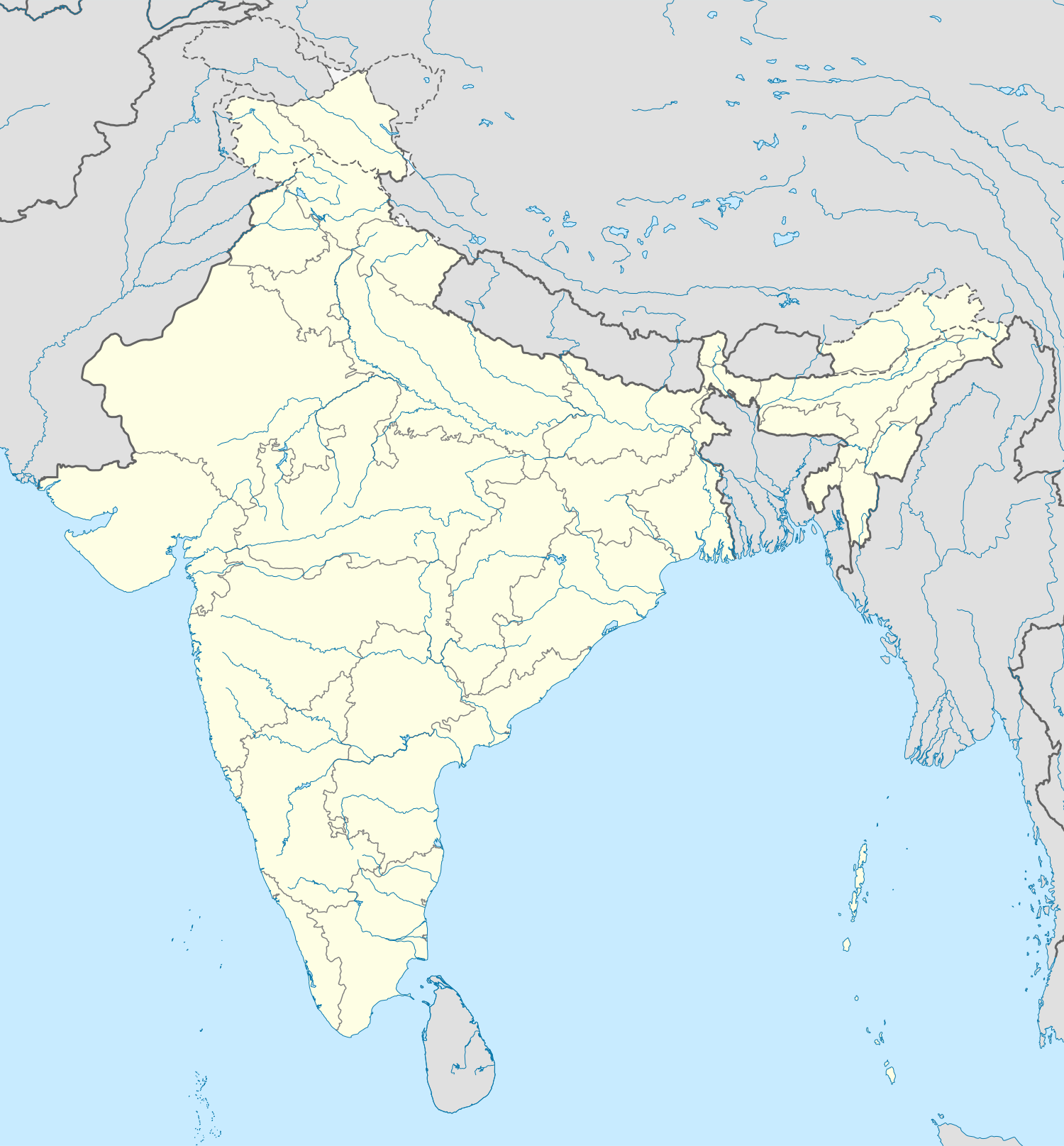 1
1- 1. Andhra Pradesh
123456- 1. Odisha
- 2. Chhattisgarh
- 3. Telangana
- 4. Karnataka
- 5. Tamil Nadu
- 6. Andhra Pradesh
123- 1. Visakhapatnam
- 2. Tirupati
- 3. Andhra Pradesh
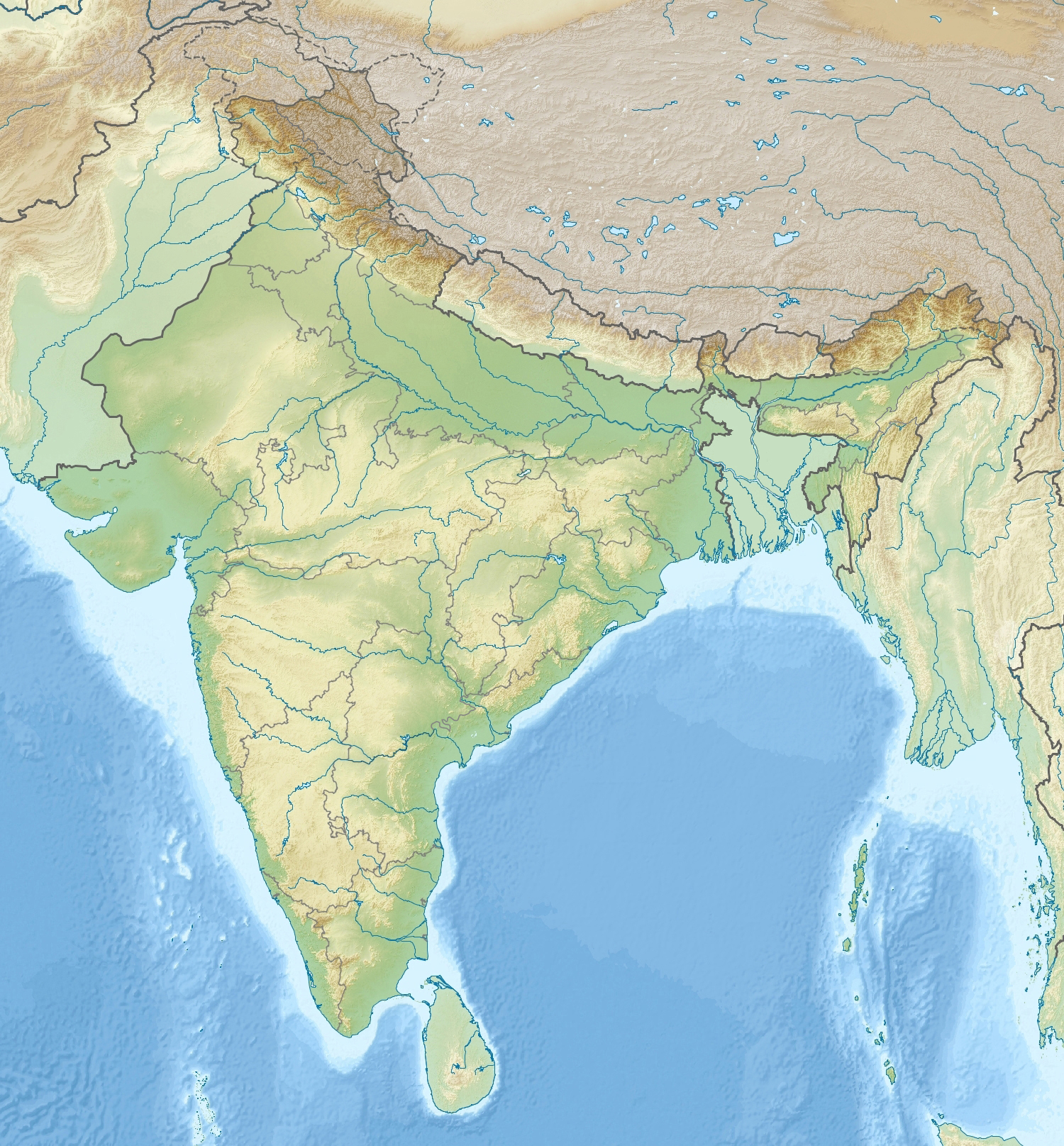 123
123- 1. Godavari Delta
- 2. Eastern Ghats
- 3. Andhra Pradesh
123- 1. Sri Venkateswara NP
- 2. Coringa WLS
- 3. Andhra Pradesh
📌 Why in News?
India is reinforcing nuclear power as a secure, sustainable and future-ready foundation of national development with the help of the SHANTI Act, 2025, Nuclear Energy Mission for Viksit Bharat and indigenous technology. Nuclear power plants generate energy from heat produced in a well-controlled process called nuclear fission. The heat boils water, and the steam turns a turbine coupled to a generator.
Syllabus & Relevance
Prelims: Government Schemes — institutions, terminology and factual features connected with the development.
Mains: GS-2 — contemporary application of the relevant syllabus theme.
Current–static link: Revise the underlying institution, policy or concept together with this development.
Why it matters for India
India is reinforcing nuclear power as a secure, sustainable and future-ready foundation of national development with the help of the SHANTI Act, 2025, Nuclear Energy Mission for Viksit Bharat and indigenous technology.
It has been a part of India’s development journey from the inception of Tarapur Atomic Power Station in 1969.
India has 24 nuclear power reactors with an installed capacity of 8.78 GW.
India commissioned the world’s first nuclear process heat-based hydrogen-generating plant at Kalpakkam in 2026.
Static Foundation
The heat boils water, and the steam turns a turbine coupled to a generator.
The electricity is used to provide power for homes, industry and essential services.
All of this occurs within a system of established safety barriers and an effective regulatory framework.
It has been a part of India’s development journey from the inception of Tarapur Atomic Power Station in 1969.
It delivers reliable low-carbon electricity to today’s households, industries, and economic growth.
India has 24 nuclear power reactors with an installed capacity of 8.78 GW.
Nine reactor units are under development with an installed capacity of 7.5 GW.
Data, Reports, Cases & Examples
India is reinforcing nuclear power as a secure, sustainable and future-ready foundation of national development with the help of the SHANTI Act, 2025, Nuclear Energy Mission for Viksit Bharat and indigenous technology.
Bhabha in 1954, is based on the use of indigenous resources and long-term energy security.
Prelims Quick Facts
Nuclear power plants generate energy from heat produced in a well-controlled process called nuclear fission.
Distinguish the immediate development from the permanent mandate or structure of the institution concerned.
Revise exact names, dates, locations and legal or institutional terms from the source points; do not infer facts not stated there.
🧠 Prelims Practice Question
Examine the significance of “Nuclear Energy in India”. Discuss its key implications and the way forward.
Mains-only layer✍️ Open Mains Perspective & Answer FrameworkClick to expand ↓
Mains Perspective
Background and key dimensions
-
Steps Taken and Various Developments
-
India’s Three-Stage Nuclear Programme: India’s Three-Stage Nuclear Power Program, conceived by Dr.
-
Stage I uses PHWRs running on natural uranium as fuel and reprocessing of spent fuel to recover plutonium.
Analytical use
-
Connect the development with its institutional, policy, economic, social, environmental or security implications only where supported above.
-
In a Mains answer, separate the verified development from broader evaluation and use the named evidence precisely.
Way forward
- Base recommendations on the gaps and institutional responsibilities identified in the source-grounded points.
Answer Framework
Introduction
Begin with the immediate development and identify the central institution or policy issue.
Body
-
Explain the relevant static concept.
-
Present the principal source-backed facts.
-
Analyse significance for India and the syllabus theme.
-
Discuss supported challenges or implementation gaps.
-
Use one named law, report, institution, date or example from the evidence box.
Conclusion
End with a balanced, institutionally feasible way forward without making claims beyond the available evidence.