Background
India's transition toward clean energy requires diversified deployment strategies to overcome land scarcity bottlenecks. Ground-mounted solar farms require vast expanses of land, intensifying land-use conflicts with agriculture and forestry. To bypass this, the Union Cabinet approved the Pradhan Mantri Surya Sarovar Yojana (PM-SSY) on 31 July 2026, leveraging vast inland water bodies and reservoirs for renewable energy generation through Floating Solar Photovoltaic systems.
Significance
FSPV installations offer dual benefits: they harness solar energy without competing for scarce land and simultaneously reduce water evaporation from reservoirs through shading effects. By mandating co-located Energy Storage Systems (ESS) with a minimum 2-hour storage capacity and a cumulative 10,000 MWh, the scheme directly addresses the intermittent nature of solar power, smoothing out supply curves and strengthening grid reliability.
India-specific Implications
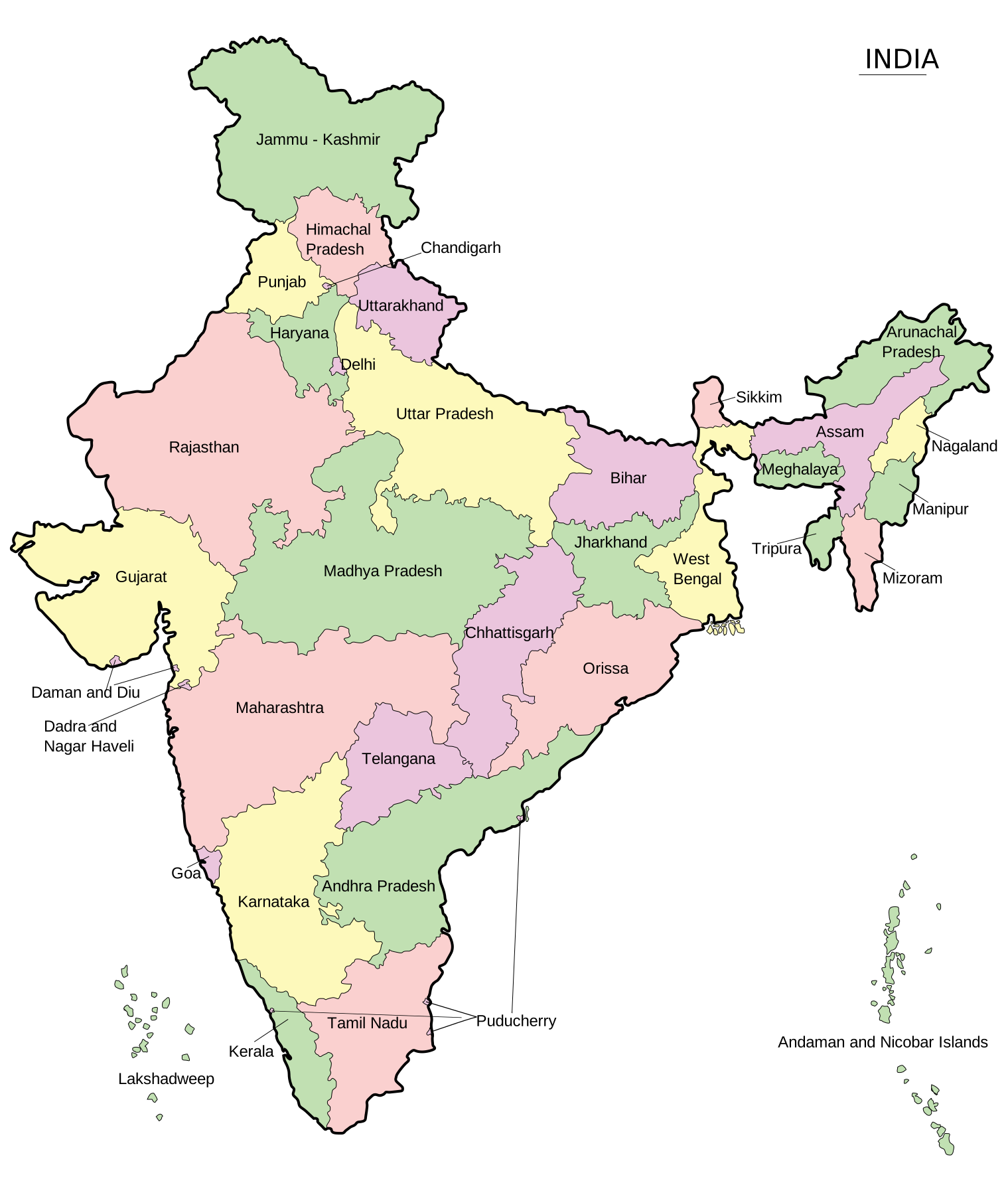
With NISE estimating an immense potential of 102.18 GWp across Indian reservoirs and water bodies, PM-SSY unlocks a major geographical advantage. The provision of ₹1 crore/MW as Central Financial Assistance and up to ₹50 lakh for essential scientific evaluations (bathymetry, hydrography, and environmental studies) derisks initial capital investments for developers, catalysing private and public participation.
Challenges and Criticisms
Deploying heavy electrical and anchoring infrastructure in aquatic environments poses structural engineering challenges, including corrosion, high humidity, wind load management on water, and potential ecological impacts on aquatic flora and fauna. Furthermore, comprehensive bathymetric and environmental studies are resource-intensive, requiring strict regulatory oversight to prevent aquatic pollution.
Way Forward
Rigorous environmental impact assessments must accompany all feasibility studies funded under the ₹50 lakh allocation to protect aquatic ecosystems. Coordinated execution by state agencies, adherence to NISE guidelines, and stringent monitoring of the 10,000 MWh storage rollout will ensure that floating solar installations deliver resilient, long-term clean energy security for India.