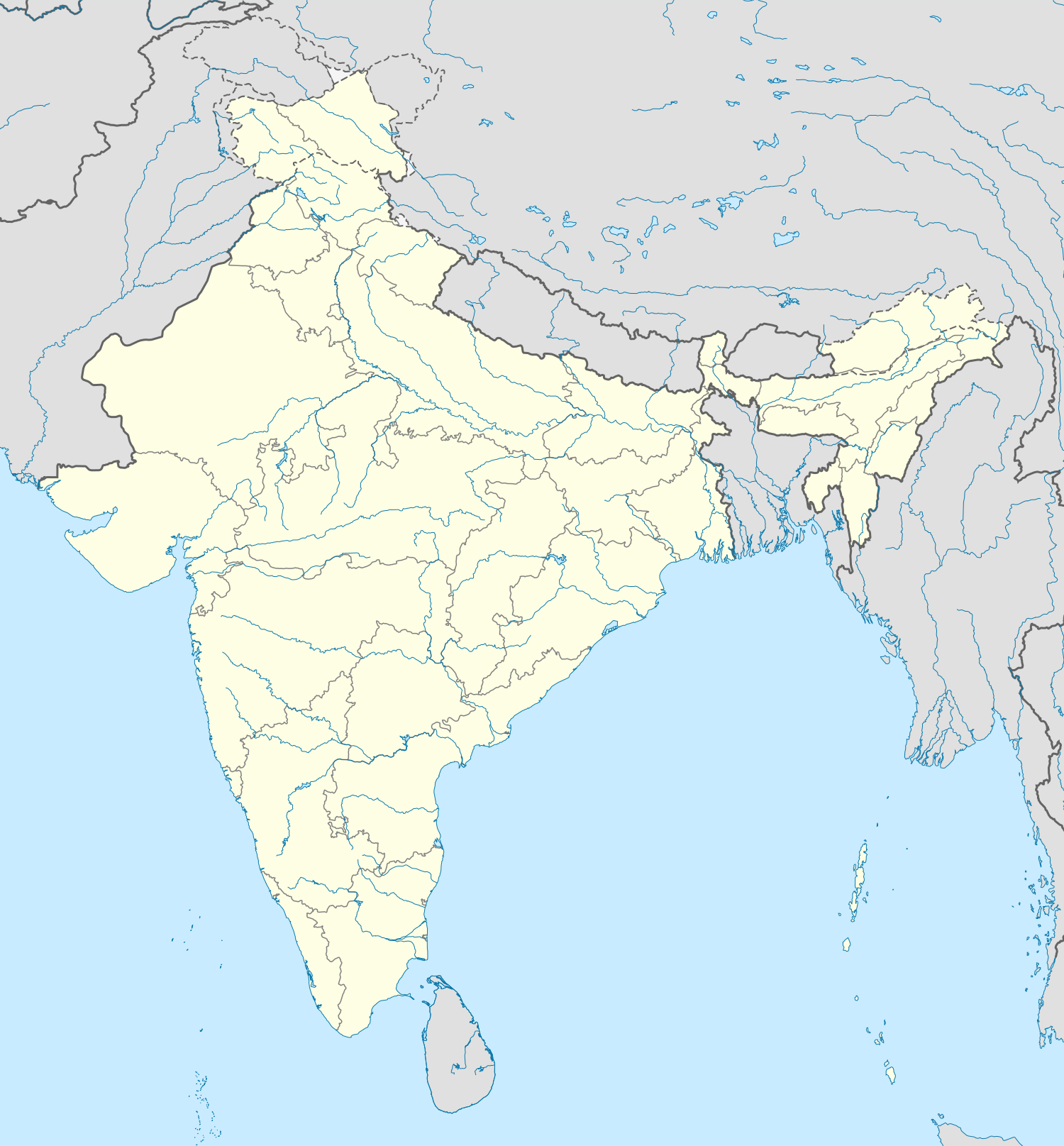
Background: ### The 1946 Royal Indian Navy (RIN) Mutiny was a spontaneous uprising by Indian sailors against British colonial rule, racial discrimination, and poor service conditions. It began on 18 February 1946 aboard HMIS Talwar in Bombay and rapidly spread to Karachi, Madras, and Calcutta, involving over 1,100 sailors. The mutiny lacked a centralized leadership but drew support from dockworkers, socialist groups, and the broader public. The British response—marked by arrests, repression, and court-martials—failed to quell the revolt, instead fueling nationwide anti-colonial sentiment.
Significance: ### The mutiny is significant for three reasons:
-
Undermined British Authority: The revolt exposed the vulnerability of British rule, as even the armed forces—long considered loyal—joined the independence struggle.
-
Accelerated Constitutional Reforms: The mutiny coincided with the Cabinet Mission Plan (1946), which proposed a united India with provincial autonomy, and the Mountbatten Plan (1947), which partitioned the country.
-
Symbol of Mass Mobilization: Unlike earlier elite-led movements, the mutiny was a sailors’ uprising, demonstrating the power of grassroots resistance.
India-specific Implications: ### For India, the mutiny had direct implications:
-
Political: It reinforced the Congress’s demand for immediate independence, as the British could no longer rely on the loyalty of Indian armed forces.
-
Social: The revolt highlighted the racial hierarchy in the RIN, where Indian sailors were paid less and subjected to discriminatory practices.
-
Strategic: The mutiny’s suppression led to reforms in the Indian Navy, including the induction of Indian officers and the eventual Indianisation of the armed forces post-independence.
Challenges and Criticisms: ### The mutiny faced criticism for its lack of a unified leadership and clear political objectives. Some historians argue that:
-
The revolt was spontaneous and uncoordinated, limiting its long-term impact.
-
The British exaggerated the threat to justify harsher crackdowns, including the arrest of over 2,000 sailors.
-
The mutiny’s legacy is often overshadowed by the INA trials and Quit India Movement, despite its role in hastening independence.
Way Forward: ### The 1946 RIN mutiny serves as a reminder of the power of mass movements in shaping political outcomes. For contemporary India, it underscores the importance of:
-
Inclusivity in governance, ensuring that marginalized groups (e.g., armed forces personnel) have avenues for grievance redressal.
-
Historical preservation, as the mutiny remains understudied compared to other freedom struggle events.
-
Lessons for civil-military relations, particularly in ensuring that armed forces remain apolitical while addressing legitimate grievances.
 1
 123