Mumbai
 1
- 1. Mumbai
12345- 1. Gujarat
- 2. Madhya Pradesh
- 3. Karnataka
- 4. Goa
- 5. Mumbai
123- 1. Ajanta Caves
- 2. Ellora Caves
- 3. Mumbai
 123
- 1. Western Ghats
- 2. Godavari
- 3. Mumbai
123- 1. Sanjay Gandhi NP
- 2. Tadoba-Andhari TR
- 3. Mumbai
📌 Why in News?
The Chairman of the Rajya Sabha made a solemn reference in Parliament to commemorate the 84th Anniversary of the Quit India Movement. The observance highlights the historical significance of the mass civil disobedience launched to demand an immediate end to British colonial rule in India.
Syllabus & Relevance
Prelims domain: Modern Indian History - Indian National Movement.
Mains syllabus: GS Paper I - Modern Indian History from about the middle of the eighteenth century until the present- significant events, personalities, issues.
Current-static link: Parliamentary commemoration linking historical national movements with contemporary national identity.
Why it matters for India
Commemorating the Quit India Movement underscores India's democratic values, national sovereignty, and the immense sacrifices made by freedom fighters.
It provides essential historical perspective on India's constitutional journey and sovereign identity.
Static Foundation
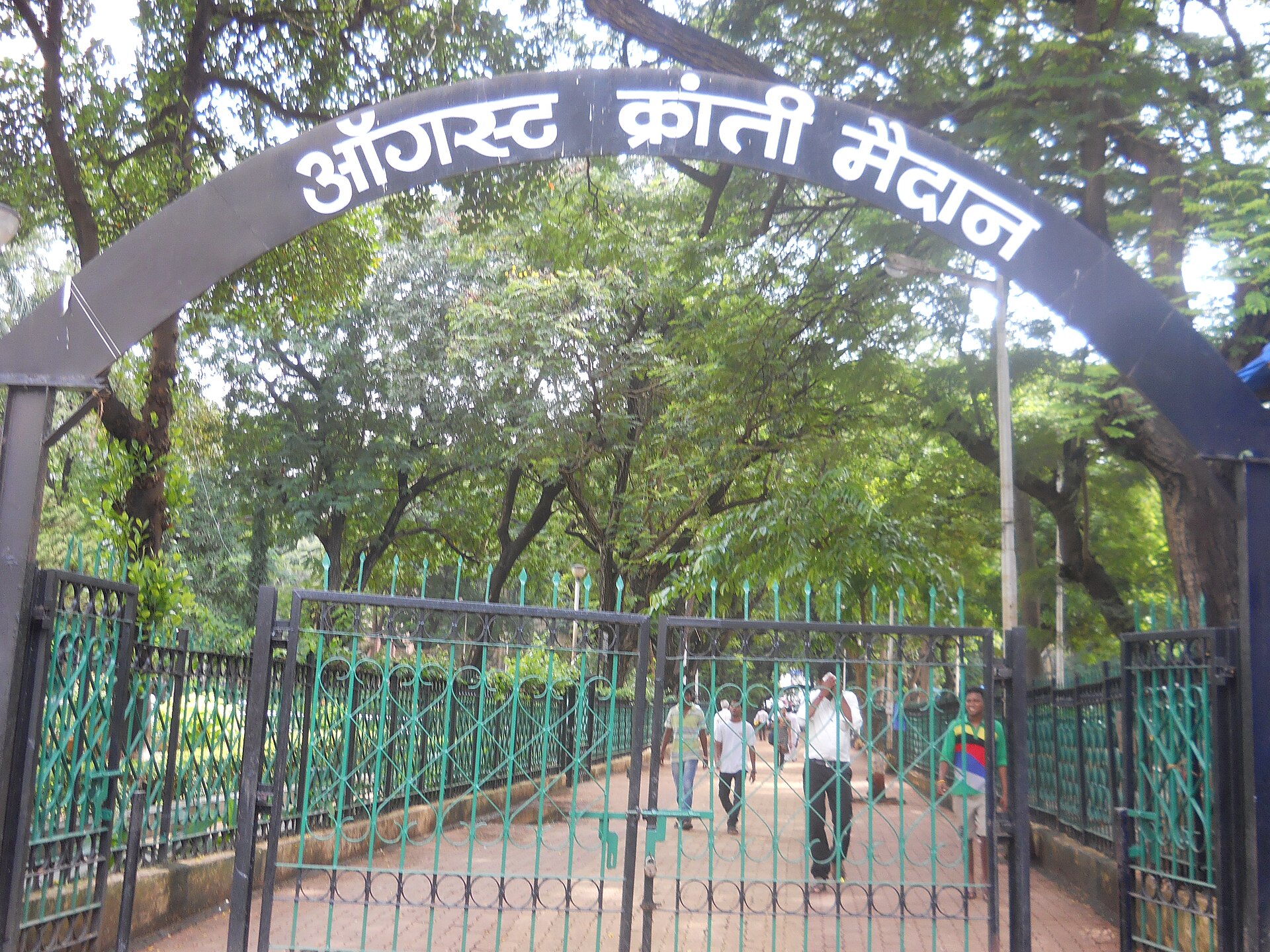
Launched as the Bharat Chhod Aandolan (August Kranti) on August 8-9, 1942, at Gowalia Tank Maidan, Bombay.
Key leadership included Mahatma Gandhi, Jawaharlal Nehru, Sardar Vallabhbhai Patel, Maulana Abul Kalam Azad, and Aruna Asaf Ali.
Famous slogan given by Mahatma Gandhi: Do or Die (Karo ya Maro).
Triggered by the failure of the Cripps Mission (March 1942) and growing threats from World War II.
Characterized by a spontaneous, leaderless popular revolt following Operation Zero Hour arrests.
Notable parallel governments included Tamluk Jatiya Sarkar, Satara Prati Sarkar, and Balia's administration.