Map focus
34.15°, 77.58° · maps only where geography mattersLadakh
CountryIndia→StateLadakh
India locator
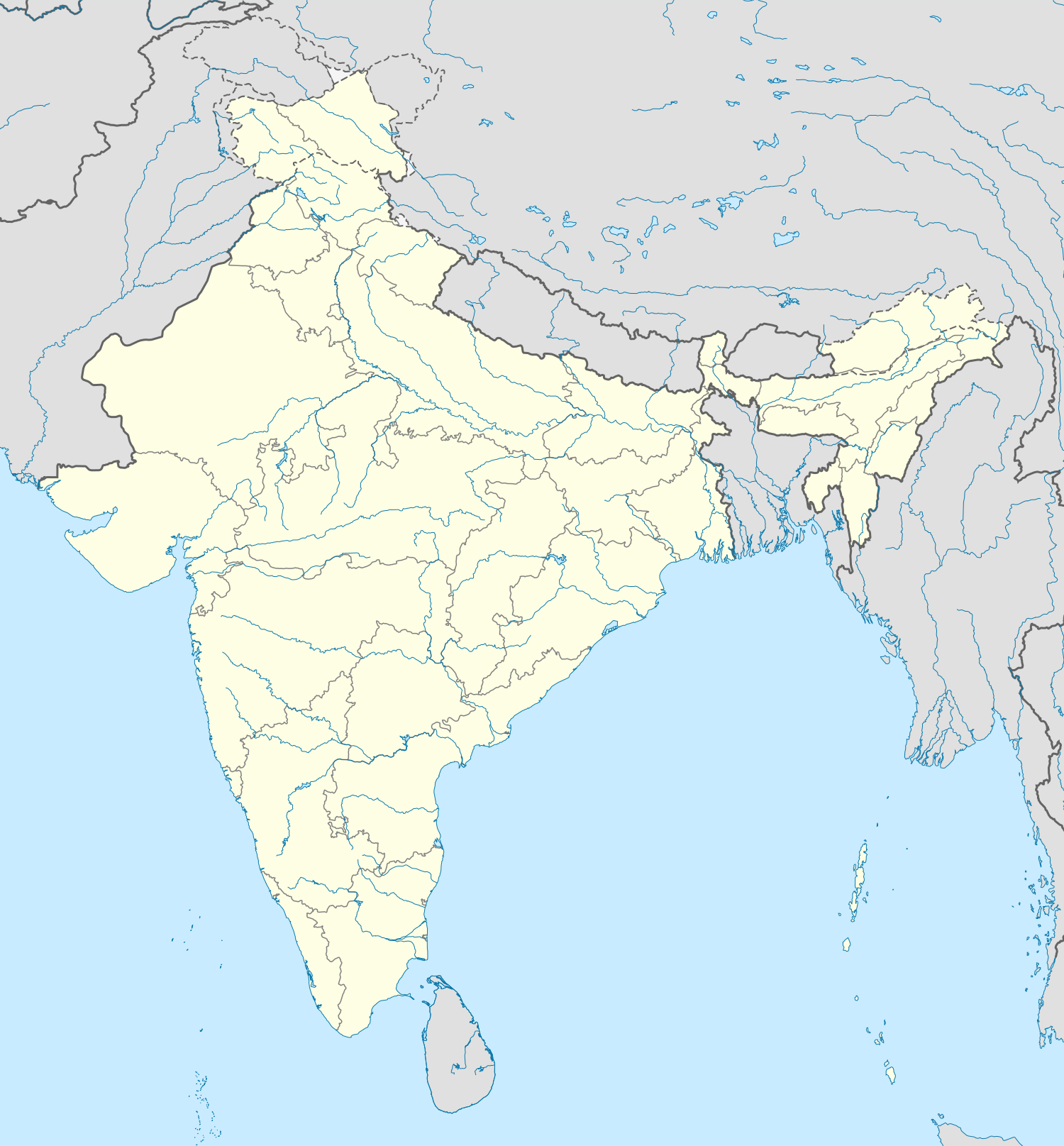 1
- 1. Ladakh
Nearby states
123- 1. Jammu & Kashmir
- 2. Himachal Pradesh
- 3. Ladakh
Regional places
123- 1. Leh
- 2. Kargil
- 3. Ladakh
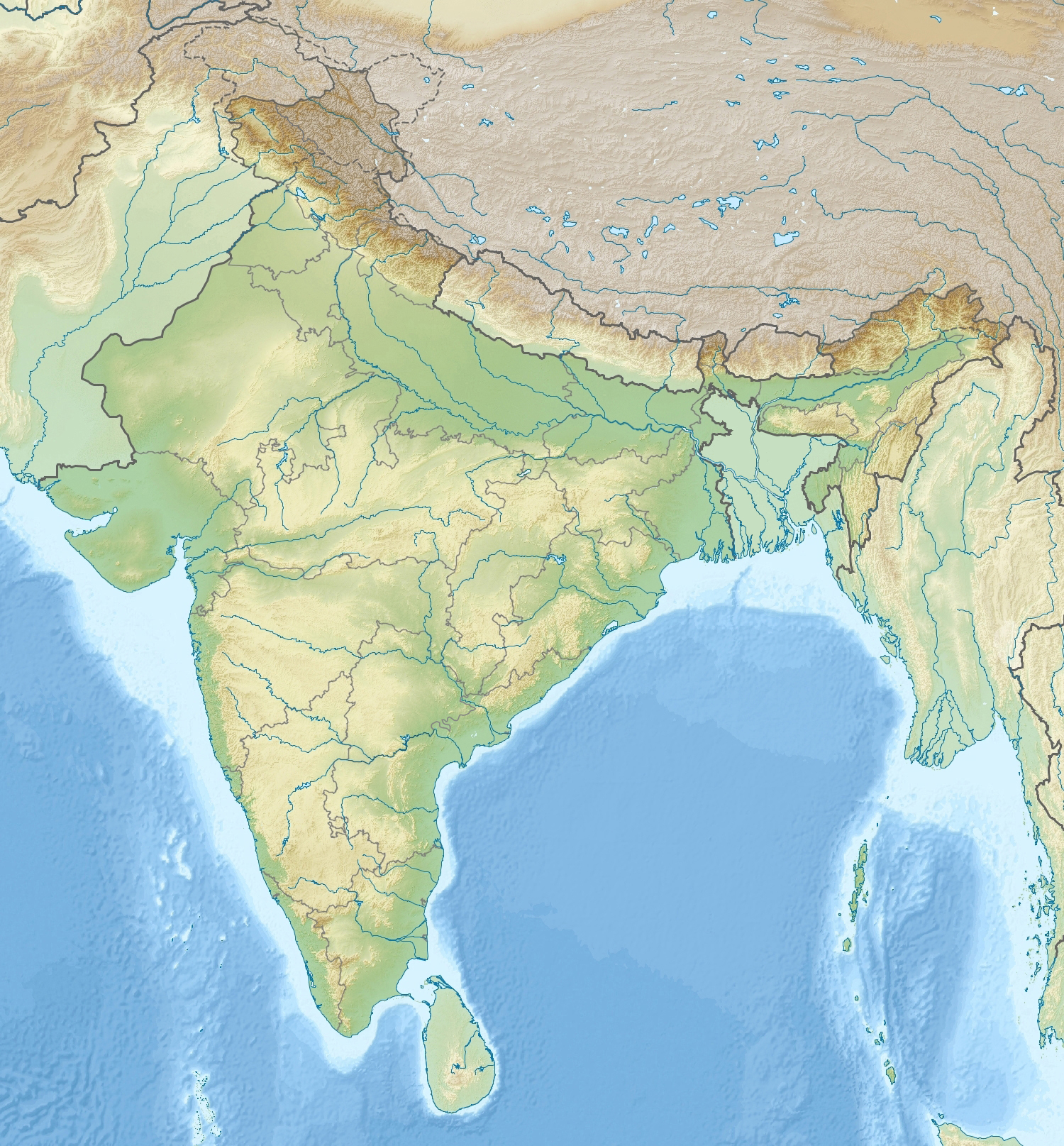
Rivers & relief
 123
- 1. Indus
- 2. Karakoram
- 3. Ladakh
NP / WLS nearby
123- 1. Hemis NP
- 2. Changthang WLS
- 3. Ladakh
States: Jammu & Kashmir · Himachal PradeshNearby: Leh · KargilPhysical: Indus · KarakoramProtected: Hemis NP · Changthang WLS
📌 Why in News?
Ladakh is set to become the first region in independent India to enumerate caste as part of a regular decennial exercise in Census 2027. Classified as a 'snow-bound non-synchronous area' alongside other high-altitude regions, Ladakh's door-to-door survey begins months ahead of the rest of the country due to severe winter weather that makes the standard February enumeration window impossible. The overall Census will feature a 40-question schedule, utilize both digital and paper forms due to local security concerns, and run both its houselisting and population enumeration phases between April 1, , and February 28, .